Teaching Practicum / Internship – TESL 43565 & TESL 32244
S.T.A.Wickramasinghe – HS/TE14/0046
TEACHING PRACTICUM PORTFOLIO
Welcome to the e-portfolio of the Teaching Practicum of S.T.A.Wickramasinghe. I, as a final year undergraduate of the degree programme, Teaching English as a Second Language, Department of English Language Teaching in the University of Kelaniya, compiled this e-portfolio which includes the information on the six weeks internship at JMC International College, Colombo. The duration of my internship was from 16th of September, 2019 to 24th of October, 2019. I was assigned to teach grades 07, 08, 09 and 10 during these six weeks. This e-portfolio consists of the teaching philosophy statement, final reflective summary, observation write-ups, lesson plans with activities and testimonials.
TEACHING PHILOSOPHY STATEMENT
Being born to parents who are teachers I was brought up in an environment where I gradually experienced and understood the significance of the role of a teacher in the society. Being dedicated, ideal teachers my parents inspired me to believe thoroughly that teaching is the noblest profession in the world. I was fortunate enough to witness the immense respect and the acceptance that a true teacher gains from the society and a passion for teaching gradually grew in me from my childhood.
Teaching is a specific, complex process that would lead to develop the personality and to shape up the life of a student. In my personal philosophy of teaching, I believe that all children are unique and must have a stimulating educational environment where they can grow physically, mentally, emotionally, and socially. It is my desire to create a safe, caring environment where students can meet their full potential, speak their mind, blossom and grow. I aim to bring an open mind and a positive attitude to the classroom each day which will ultimately inspire and encourage the learning process of the students.
A pedagogic philosophy such as mine, demands that my teaching style is highly interactive through incorporating cooperative learning and individual work that engage and activate the learning process. My role as an English teacher is to assist each child in developing their own potential and learning styles and accept themselves for who they are, as well embrace the differences of others. Therefore, I ensure that I give extra care and practice to slow learners and develop confidence in them. My teaching pedagogy is equipped with various techniques and strategies following communicative language teaching approach, direct method, audio-lingual method which make English language learning flexible and attractive. I believe in using the eclectic approach in teaching English as it integrates various approaches and methodologies, since it depends on the aims of the lesson and the abilities of the learners.
I believe that technology enables teachers to adapt classroom activities, thus enhancing the language learning process. Therefore, I believe in integrating technology to improve language learning skills in teaching English as it makes students to be more responsive and makes learning interesting and meaningful. I aim to develop the students’ linguistic and communicative competence and to enhance vocabulary building along with reading, writing speaking and listening skills while improving grammatical competence. I believe in continuous evaluation of students during learning along with providing feedback constantly as teacher feedback is vital throughout learning.
I firmly believe that teachers are responsible for more than just academic enrichment and that true teachers are committed to their students’ well-being both inside and outside the classroom, teaching them the important life lessons that will help them succeed beyond standardized tests. Especially in language teaching, the lessons should be focused to enhance the opportunities to use what they learnt in the society and to develop the personality and the self-confidence of the student.
I wish to work with commitment, dedication and perseverance so that my students will succeed inside the classroom as well as outside, overcoming the challenges they face with a balanced personality. Furthermore, growing up in a household of educators I believe that I am destined to be a teacher and eagerly waiting to serve to the best of my ability as a teacher.

Reflective Summary
I had my teaching practicum at JMC International College, Colombo from 17th of September, 2019 to 24th October, 2019. I was assigned to teach English for grades 7,8,9 and 10. I was asked to plan my lessons according to the English Pupil’s Book and the grammar text book given by the experienced teacher. My teaching experience on the first day was very pleasant since the students showed enthusiasm and great interest in learning, which made me comfortable even though I thought I would be nervous. Gradually I noticed that the students were good at reading and speaking in English even though some of them found grammar lessons difficult.
I used effective and innovative strategies in which students participated to the greatest extent possible. The strategy to teach students with integrated activities worked well and they all showed a lot of interest. I used learner centered activities, specially games as it creates a successful and positive classroom environment. Hadfield (1990) describes games as an ‘activity with rules, a goal and an element of fun’. By using games, different contexts can be created which allow students learn unconsciously. I noticed how even shy and reluctant students reacted positively. Also to make learning more interesting, enjoyable and interactive I integrated technology in my teaching.
In a lesson for grade 7 students, activities were based on all forms of comparatives and superlatives. Yet, the rules on the ways of forming comparatives and superlatives were not mentioned. For the students to understand the lesson better, I realized that the students needed the knowledge of the rules. Therefore, I taught them all the rules, using authentic materials and realia where necessary. When I was explaining each rule the students themselves started giving more examples which showed that they have grasped the lesson well.
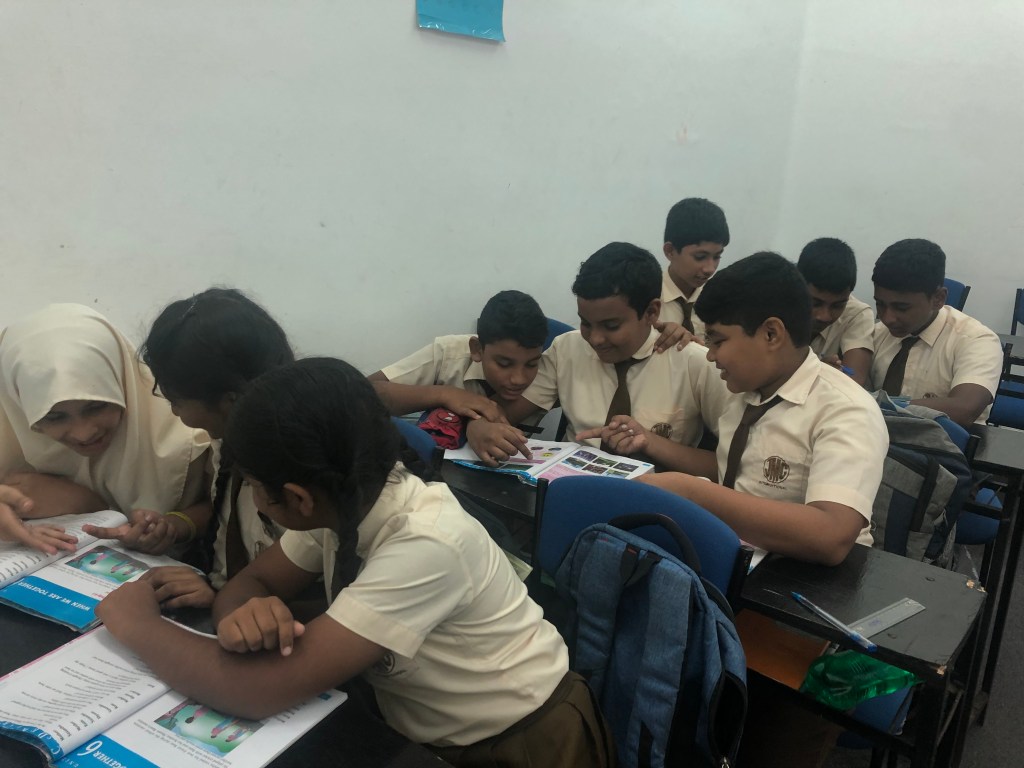
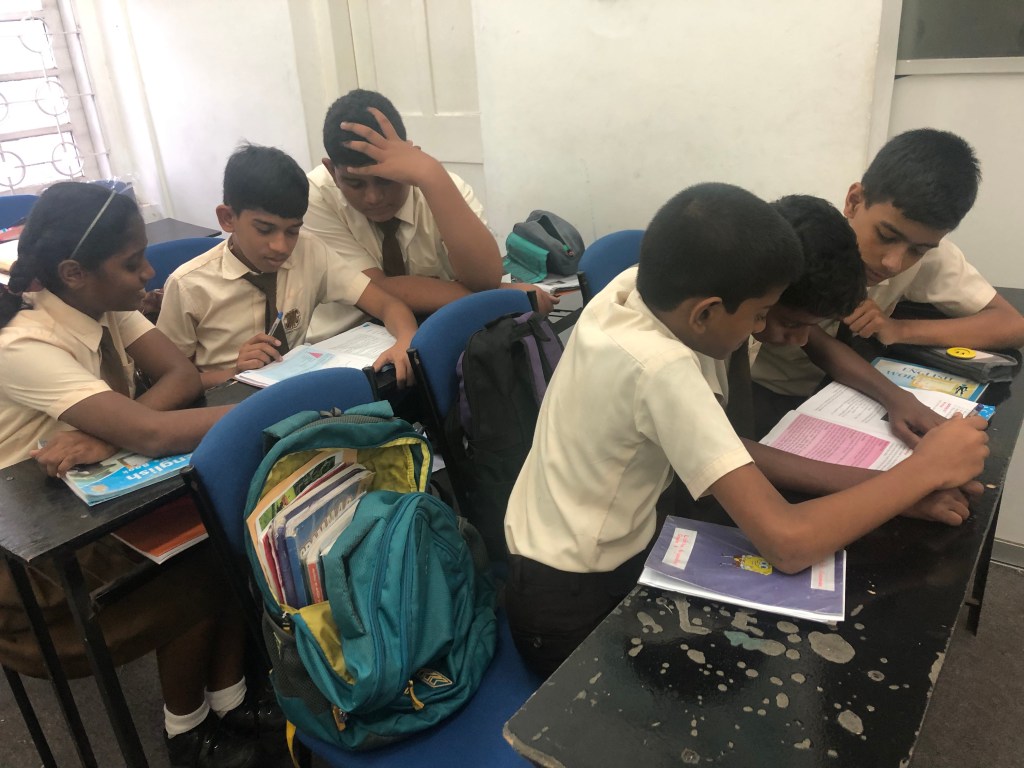
By the second week, I was able to identify the proficient learners and the slow learners by this time. In general, most students were proficient learners and even the slow learners were keen and actively participated in the activities done, especially during the group activities. According to Brown (2001), “The small group becomes a community of learners cooperating with each other in pursuit of common goals”. Keeping that in mind I always tried to make the students involved in group activities which enhanced their creativity. I always tried to do activities beyond the text book and I noticed that the students were more interested and actively engaged when I did extra creative activities.
For example, for the story writing activity in the grade 8 text book, instead of using the same pictures given in the text book, I provided them with coloured sets of pictures to build up a story using their creativity and imagination to make the lesson more interesting. To my surprise each group had different and unique creative versions, titles and endings to the same picture set. The students were very happy to receive my feedback as well as to listen to the creative stories of their peers. I believe in providing feedback on students’ progress and have a balance in praising and criticizing students to make them become effective. According to Brown (2001), “teachers should build up rapport, to balance praise and criticism, and to generate energy”.
The students in my classes were from different socio-cultural backgrounds thus their first language was different from each other. The common language they used to communicate was English. An issue I had to face due to this situation is when explaining a difficult word or a phrase I could not use Sinhala. Therefore, to overcome this situation I used simple language along with realia and visual aids to explain difficult words and phrases.
I used eclectic approach as it tends to be informative and learner-centered as well as it revolves around a communicative and interactive methodology. Kumar (2013) supports the eclectic approach and declares, “The purpose of advocating eclectic method is to connect life experiences to the ideas presented in learning of the language. The types of learning activities teachers select are often directly related to their experiences in the real world.” I always tried to use real life situations as examples in teaching to make the learning process meaningful and more memorable as the students can connect them with their real life. For example, the School Annual Concert was due on 15th October, 2019 and students were eagerly waiting for the event and to practice their performances during this time. I took the opportunity of using this real-life situation to teach passive voice – simple future tense to grade 8 students in a very friendly manner talking about their upcoming event. I asked the students to tell me about the concert describing their performances, decorations, speeches and other relevant facts. They were so happy to describe the event and their performances. I chose some sentences the students said and wrote them in the passive voice future tense on the board explaining the rules of passive voice – simple future tense. I asked each student to come up with at least one sentence in passive voice future tense and everyone participated with a keen interest. It was really interesting that at the end of the period each student was able to say something in passive voice regarding the upcoming event. Finally, they made a report about the upcoming event using passive voice simple future tense.
I was always well-prepared with lesson plans to conduct lessons effectively, to earn students’ attention and to win their trust as I believe in ‘failing to plan is planning to fail’. My intention was to avoid vacuum moments and misbehaviour in which students may fill with distracting activities. Furthermore, according to Hendrick (2001), “the problems caused by students’ misbehaviors can be prevented and solved by planning lesson thoroughly, developing positive interaction with students, and conducting lesson effectively”. “As managers of classroom, teachers should undertake quick and positive actions” (Albert, 2003). I was equipped with a combination of worksheets, role-plays, games, listening exercises to keep students engaged and to provide them with plenty of practice. I believe the more variety there in the lessons, the more students will gain from them. I assigned group activities to get all students to participate and made teams to race often to get them motivated since competitions drive students to not only be the best performing group but also work hard to not let down their teammates. When I evaluated students, apart from giving marks I gave them feedback through stars, happy faces and good comments.
Whenever I came across disruptive students, first I ignored minor distractions such as attention seeking misbehavior since most the times behavior will disappear when it is withheld. Furthermore, I changed my voice tone as well as seat arrangements when necessary. I always smiled and retained good eye contact with the students who seemed nervous or uncomfortable and called all the students by name to make them feel remembered and recognized. I never humiliated them since humiliation attacks student’s status in the eyes of peers. So, I believe a student will respond better when being given reprimand in private. According to Harmer (2001), “If the teacher humiliates the student, it impacts on him as a person and is unlikely to be effective”.
With the positive feedback I received from the students and the inspiring experience gained during my teaching practicum, the passion for teaching which I had from my childhood grew deeper and I am eagerly waiting to serve to the best of my ability as a teacher.
References
Khasinah, S. (2017). MANAGING DISRUPTIVE BEHAVIOR OF STUDENTS IN LANGUAGE CLASSROOM. Englisia Journal, 4(2). Retrieved from https://www.researchgate.net/publication/322711531_MANAGING_DISRUPTIVE_BEHAVIOR_OF_STUDENTS_IN_LANGUAGE_CLASSROOM
Rao, P. S. (2018). Eclectic approach in english language teaching: A comprehensive study. ACADEMICIA: An International Multidisciplinary Research Journal, 8(10). Retrieved from https://www.researchgate.net/publication/329123176_Eclectic_approach_in_english_language_teaching_A_comprehensive_study
Salas, M. R. (2004). Grouping techniques in an EFL classroom. Retrieved from https://www.scribd.com/document/61162387/Techniques
Tuan, L. T. (2012). Vocabulary Recollection through Games. Theory and Practice in Language Studies, 2(2). Retrieved from http://www.academypublication.com/issues/past/tpls/vol02/02/08.pdf
OBSERVATION WRITE-UP
We were requested to conduct observations as a requirement to complete the internship. As I did not have any peer in my college I did only the experienced teacher observation.
Experienced teacher observation
Teaching Practicum / Internship Student Handbook TESL 43565 & TESL 32244
The experienced teacher observation took place on 22nd of October 2019 at JMC International College, Colombo. I observed Grade 7A class from 11.30am to 12.10 pm. The class included 18 students (12 boys and 6 girls) ranging from age 11-12. The lesson focused was “Future” from the pupil’s book and the experienced teacher entered the lesson very effectively. She passed around some pictures of flying cars, robots, cars traveling in water and spaceships and asked the students to guess the topic of the lesson. Students actively participated and expressed what they thought of the pictures and successfully guessed the topic of the lesson; Future. As it was an effective way to enter the lesson, I determined to incorporate this method in my teaching where necessary.
When the teacher noticed that there were some students who were not interested in the lesson, she assigned an interesting guessing game related to the lesson to get them actively engaged in the lesson. I noticed how the teacher successfully managed to get the students to actively engage in the game as well as acquire the lesson focused. Afterwards, she assigned a group work mixing the slow learners and more proficient learners to assist the slow learners to get engaged, express ideas and complete the given task. Anyhow she did not use technology, which I believe she could have used to make the lesson even more interesting.
The experienced teacher was observant of all students at all times and monitored their work and behavior. She also helped students where necessary and gave necessary feedback after each activity. Throughout the lesson she modeled simple and accurate language and gave instructions very clearly. She maintained a good rapport with the students by calling the students by their names, using personally relevant class examples and rewarding students with verbal praise.
LESSON PLANS
Testimonials
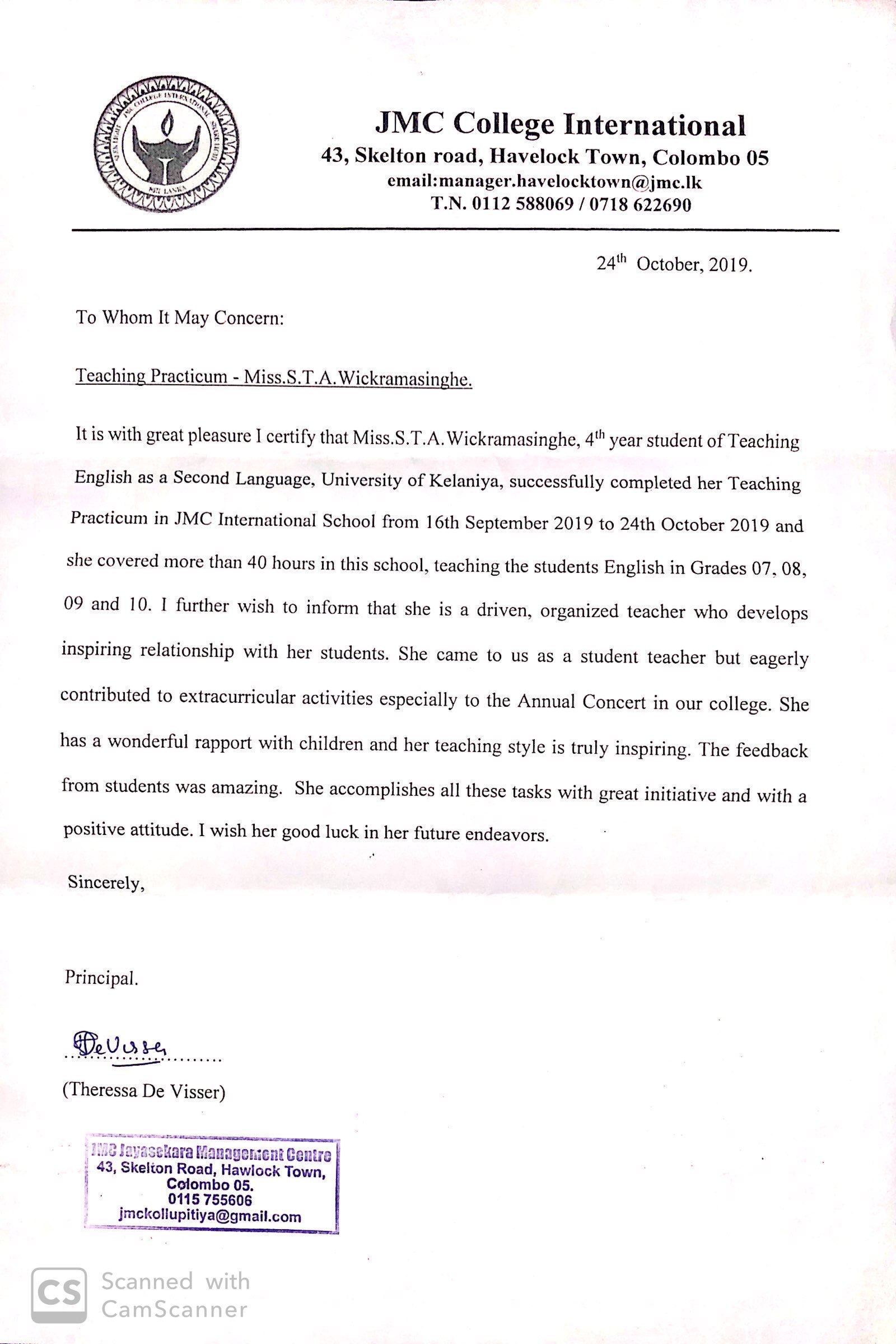
Report from the school principal
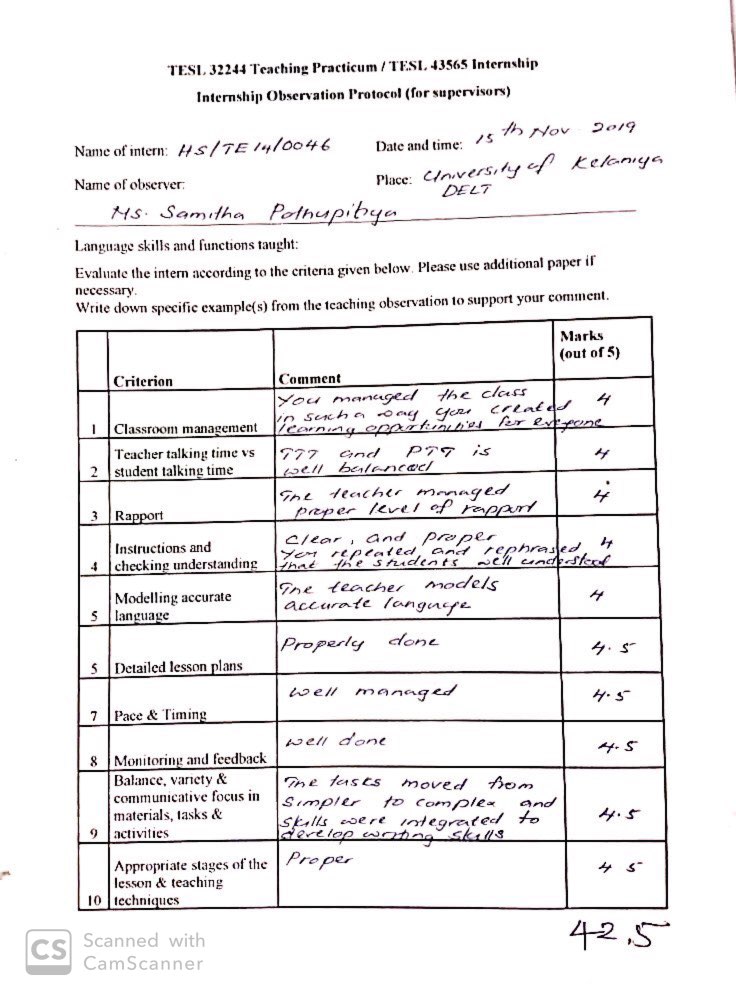
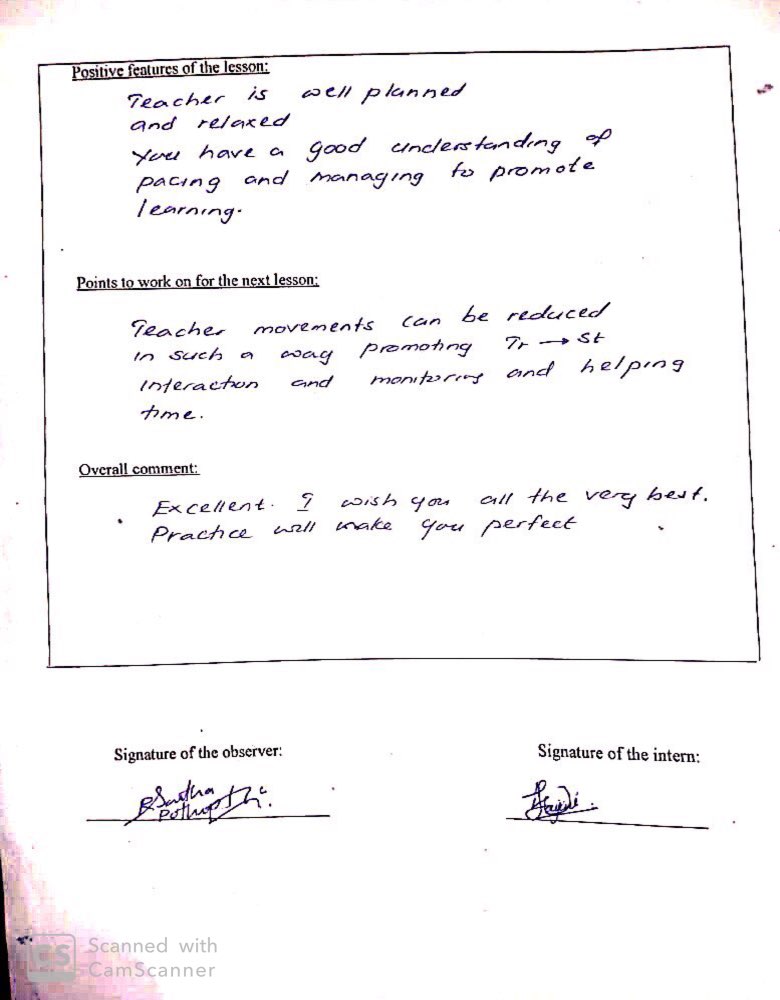
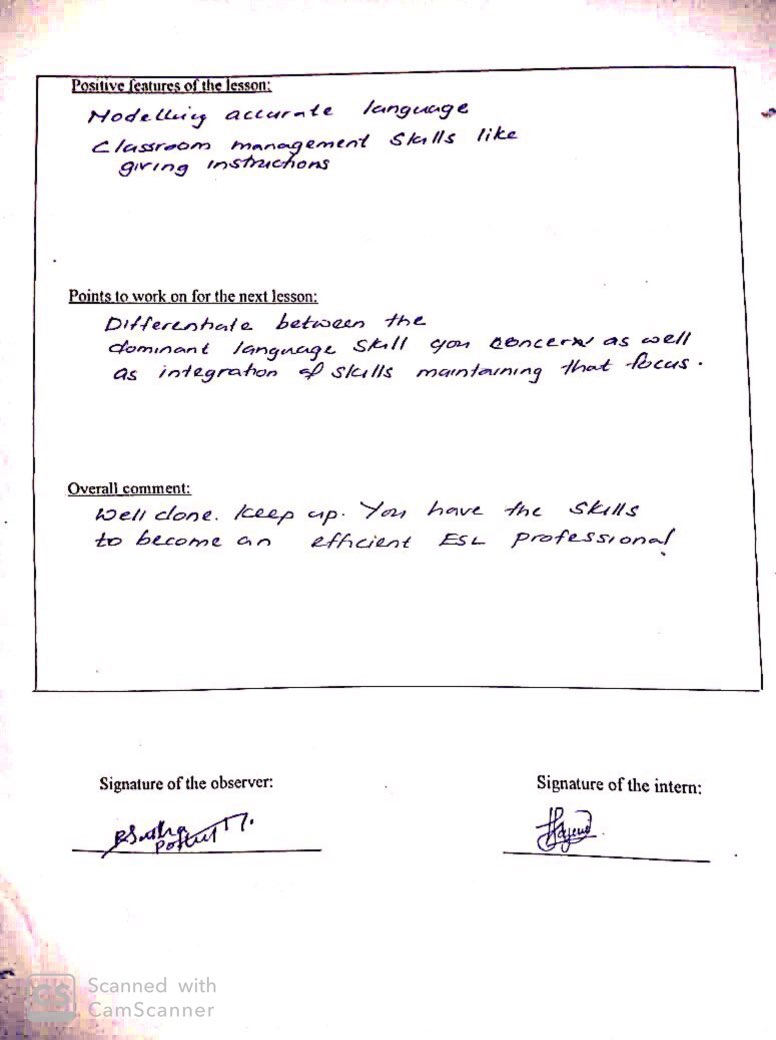
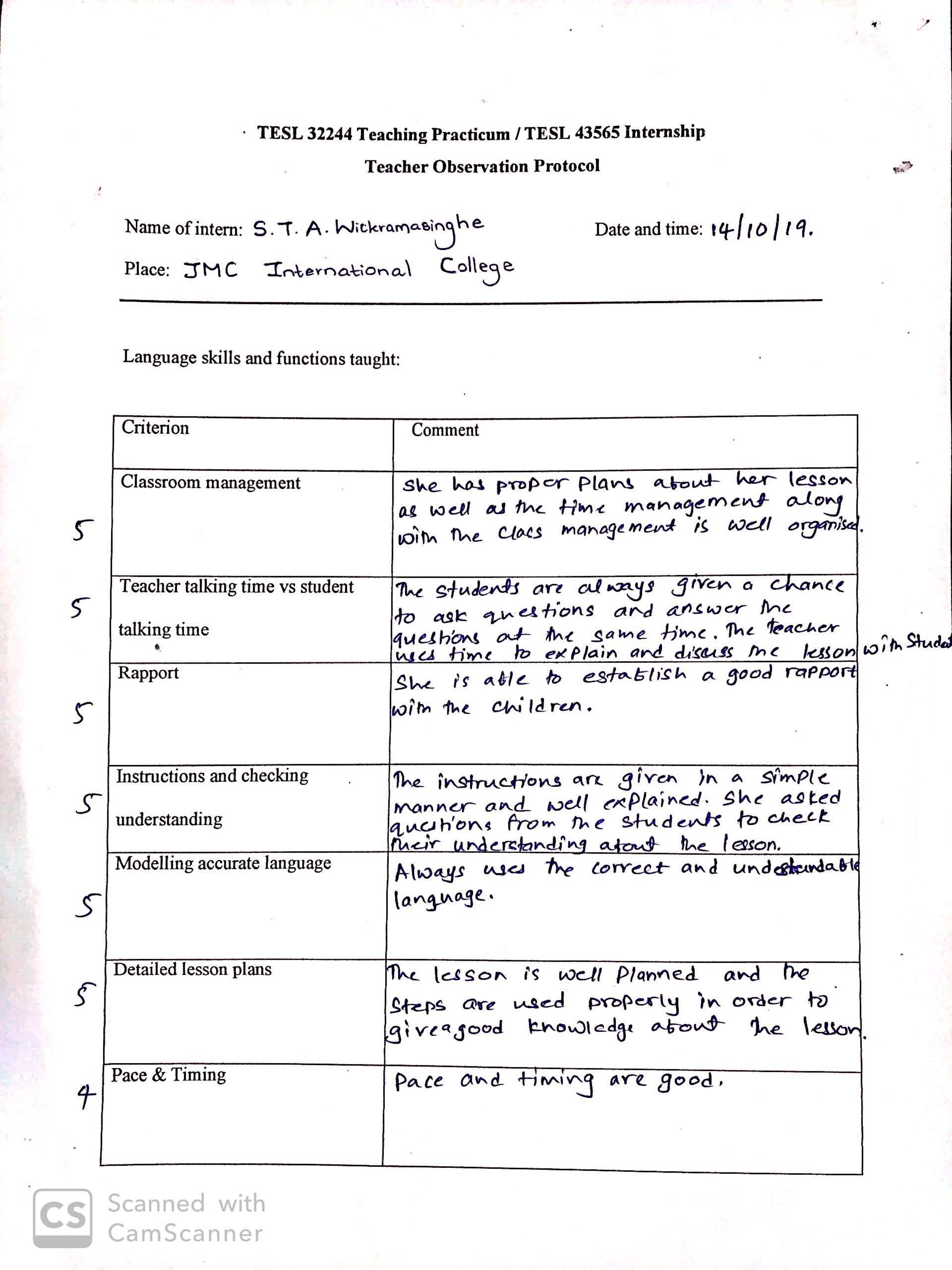
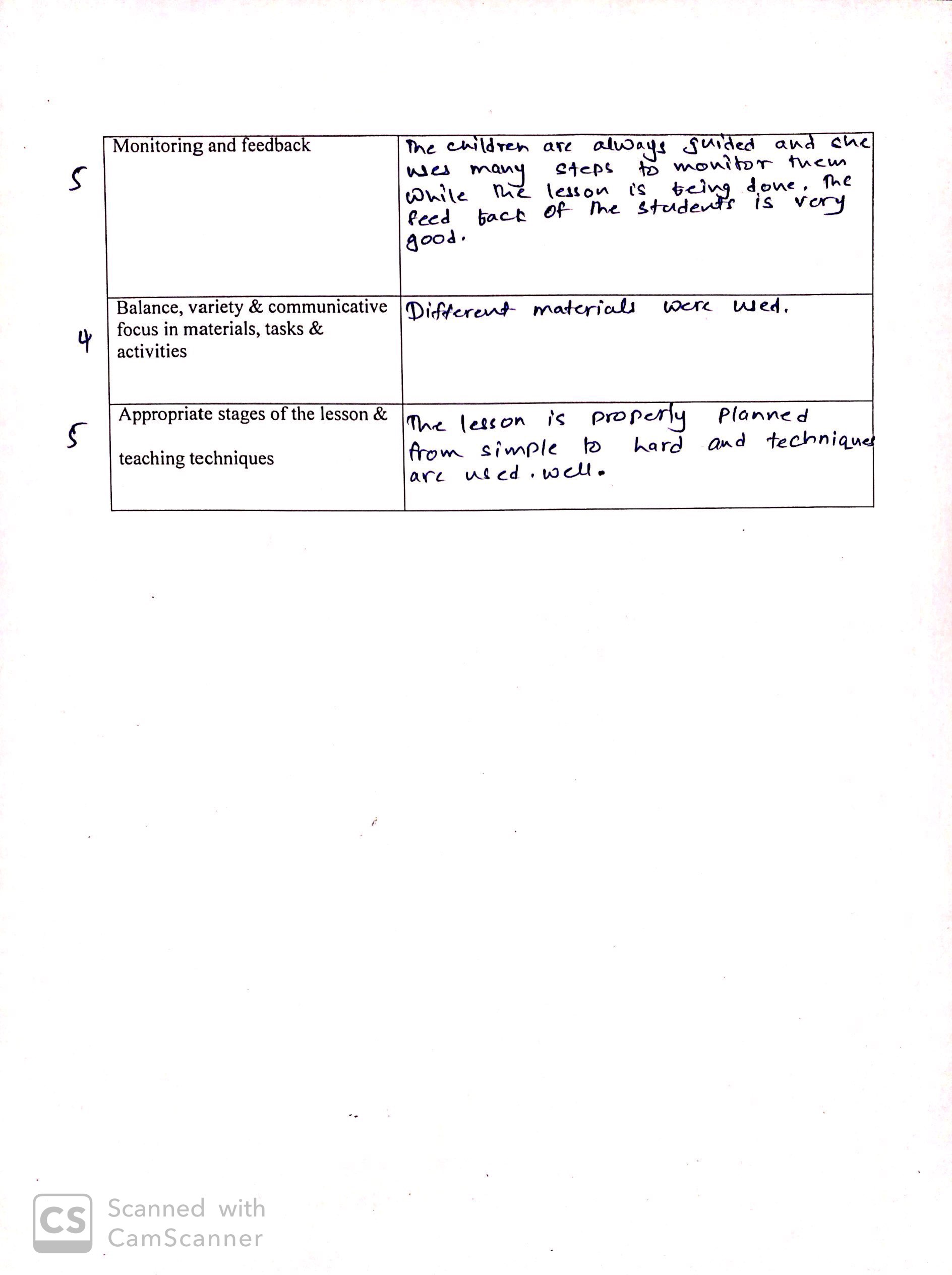
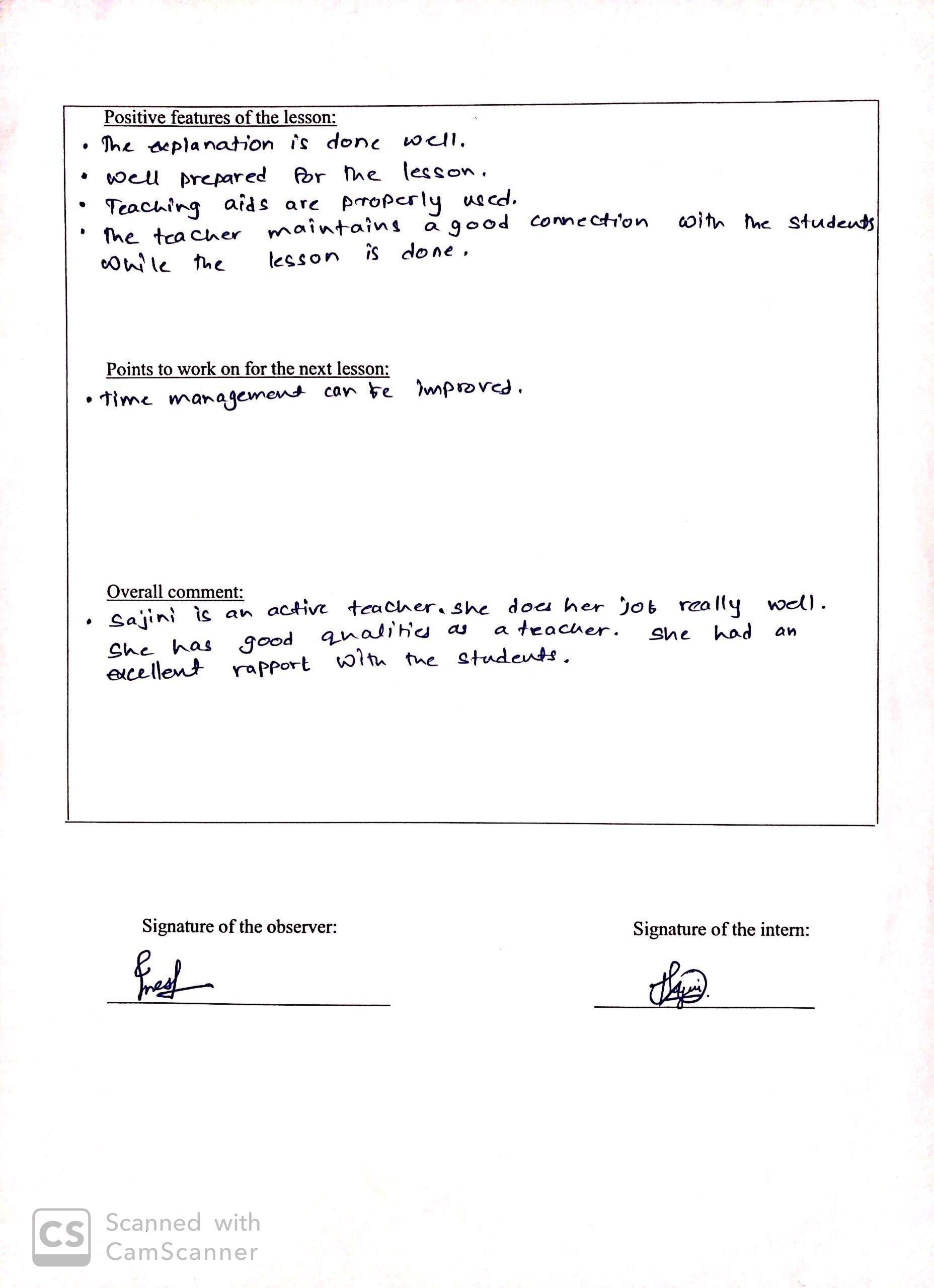
Internship observation protocol (observation 1 by the DELT supervisor)
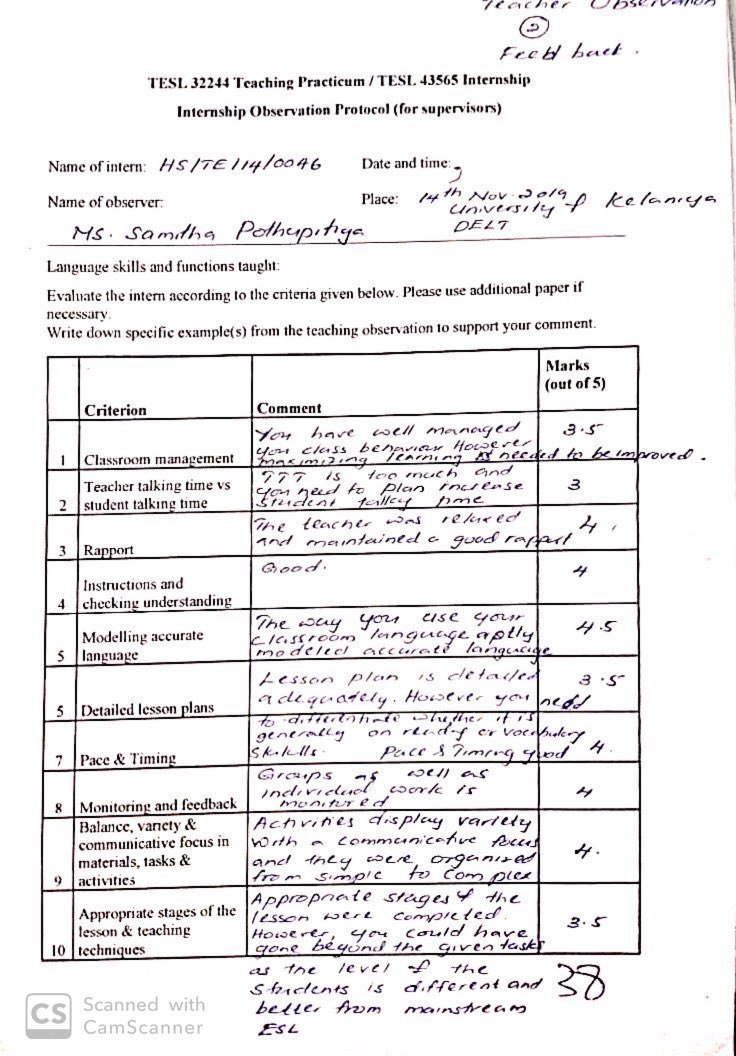
Internship observation protocol (observation 2 by the DELT supervisor)
Internship observation protocol (observation by the supervisor in school)
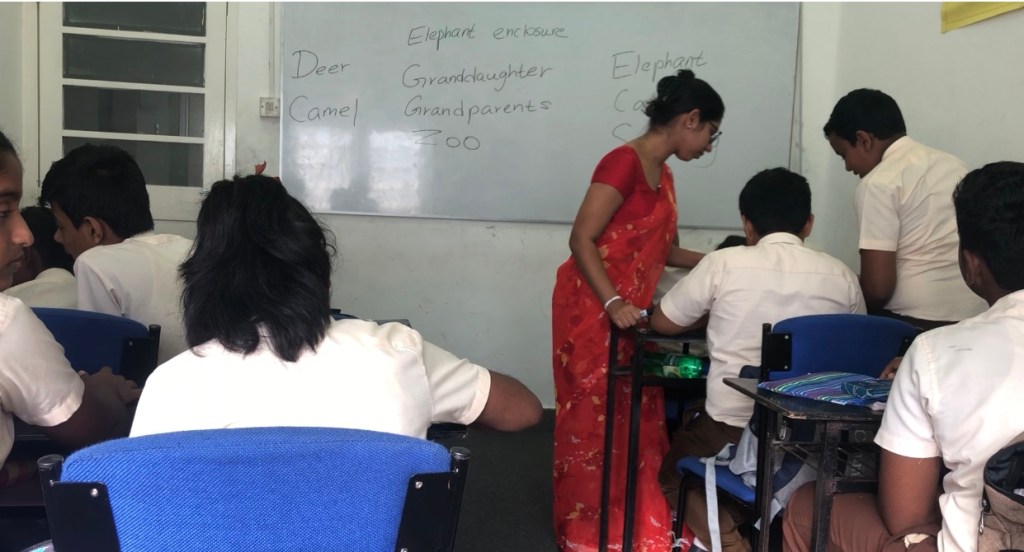
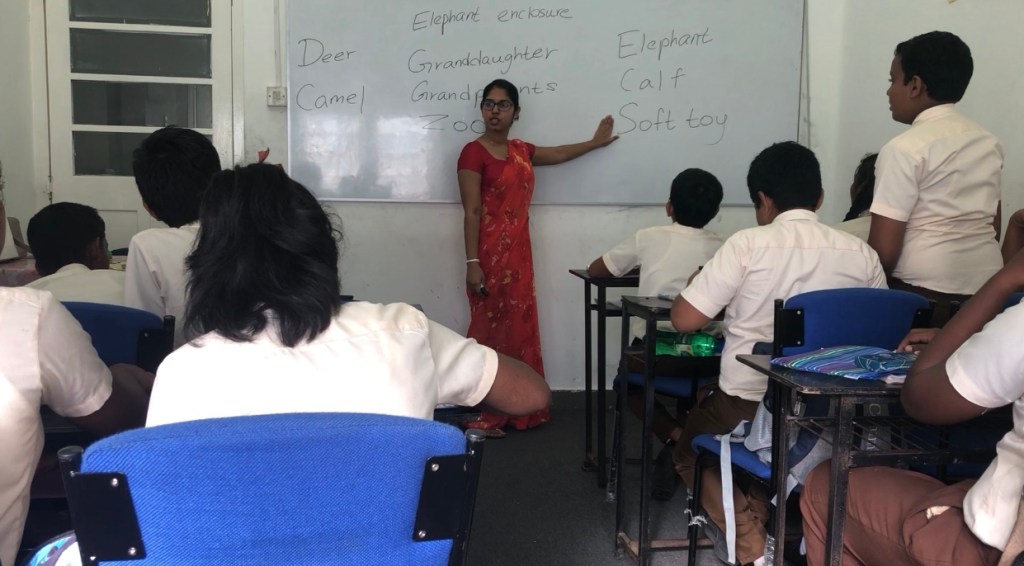
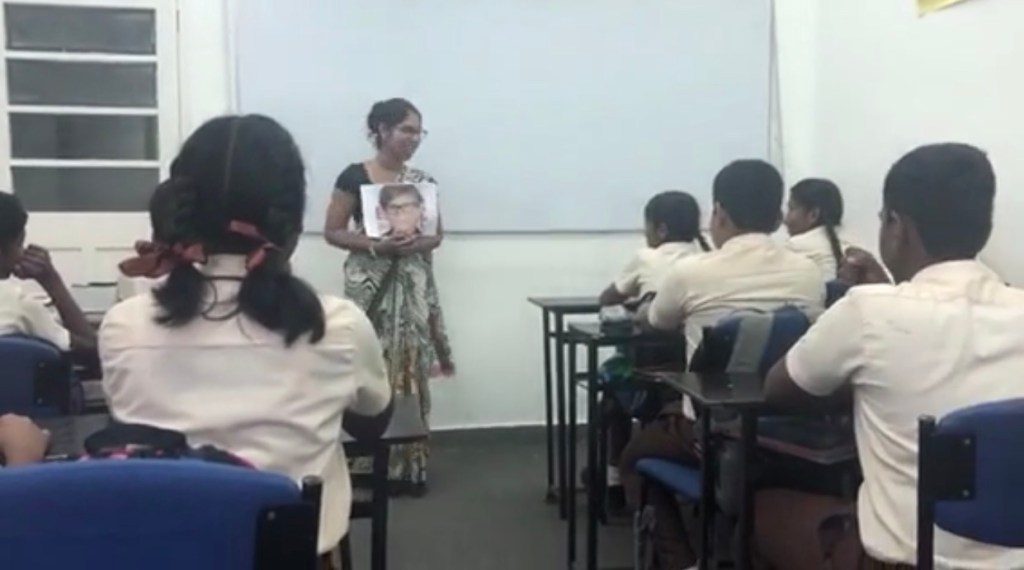
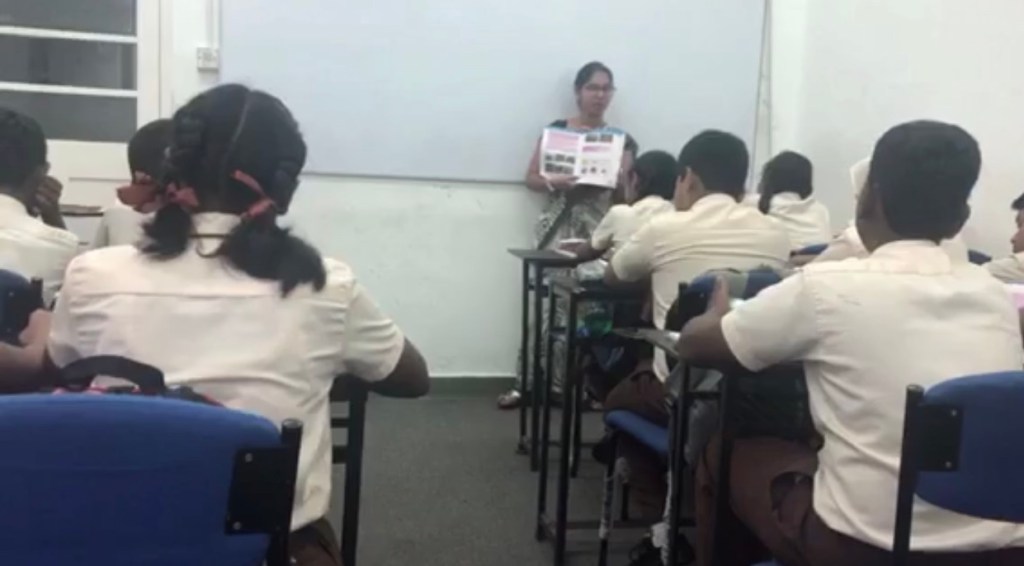
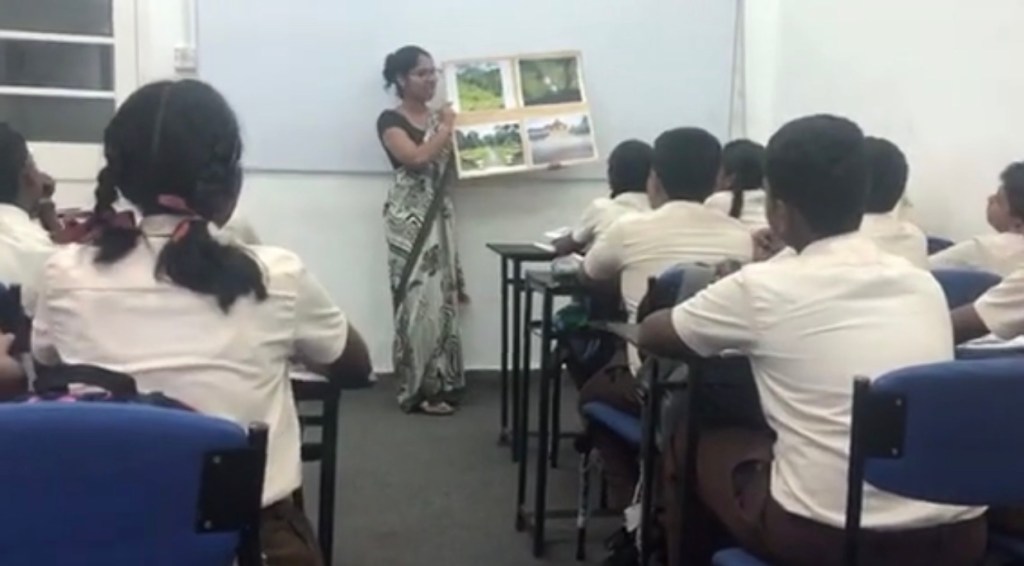
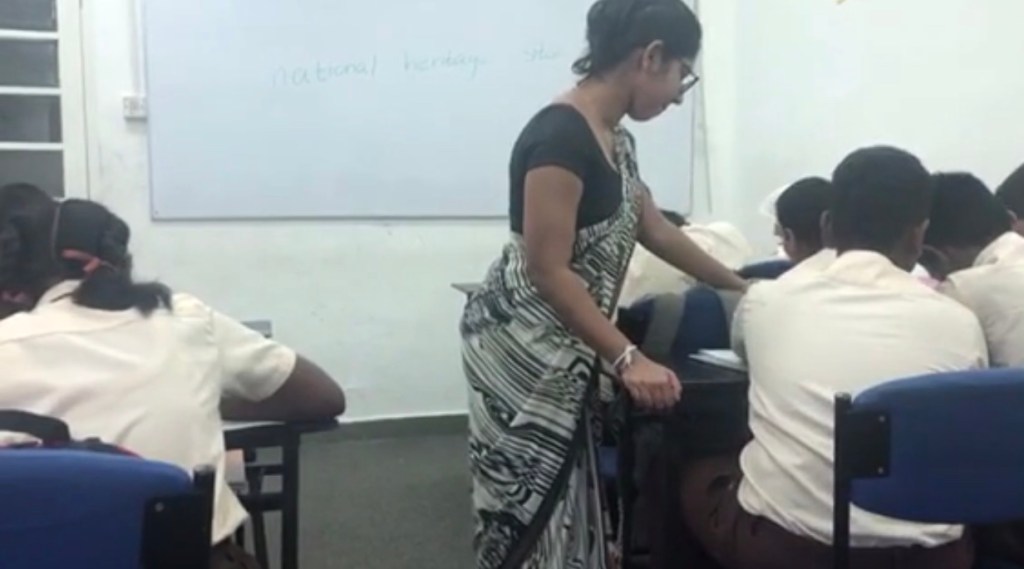
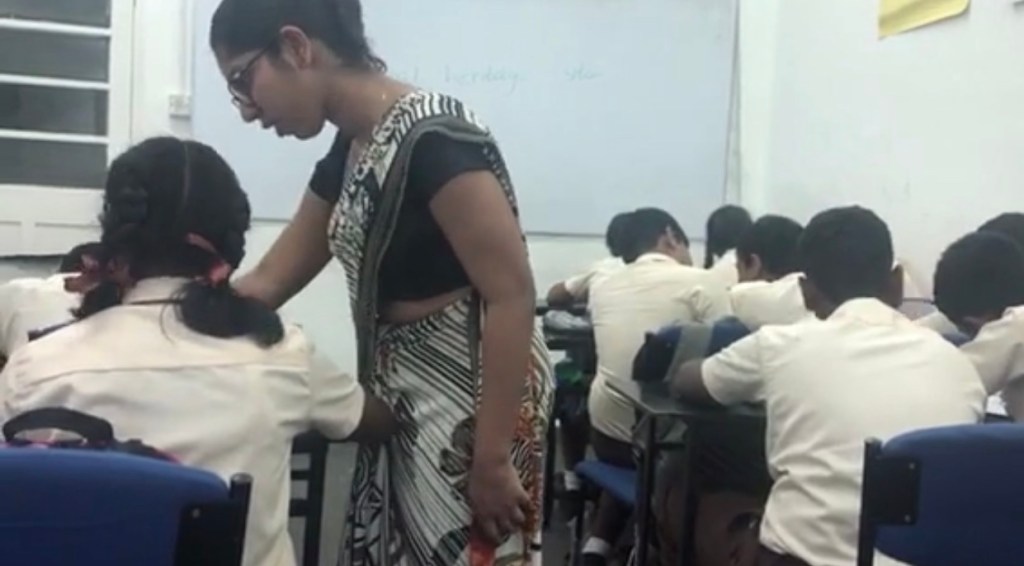
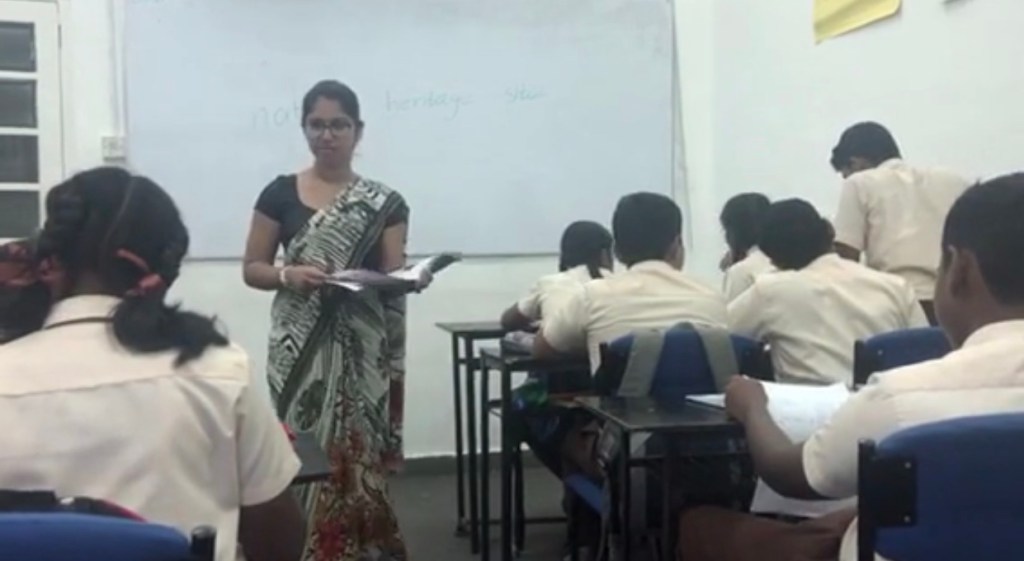
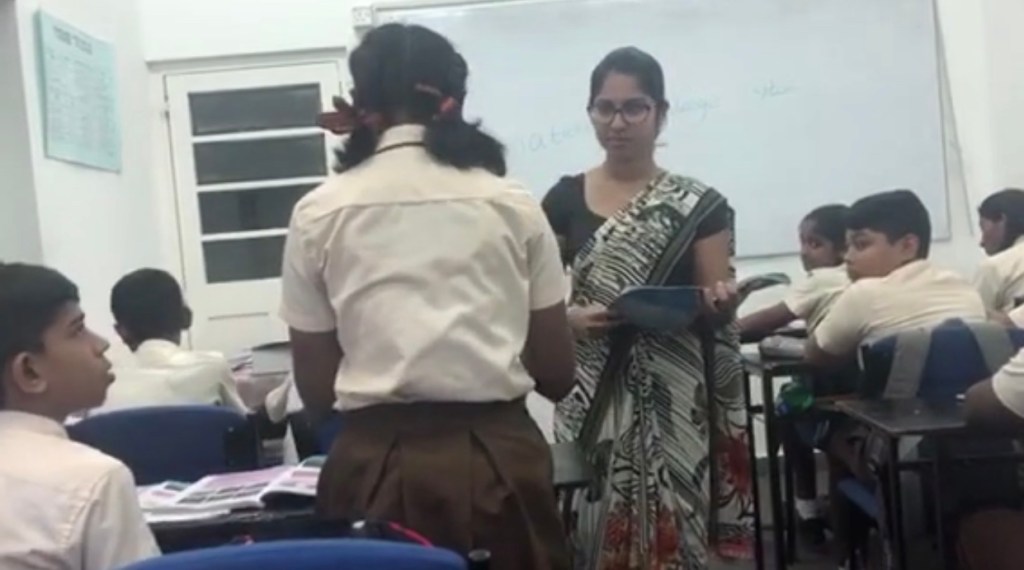
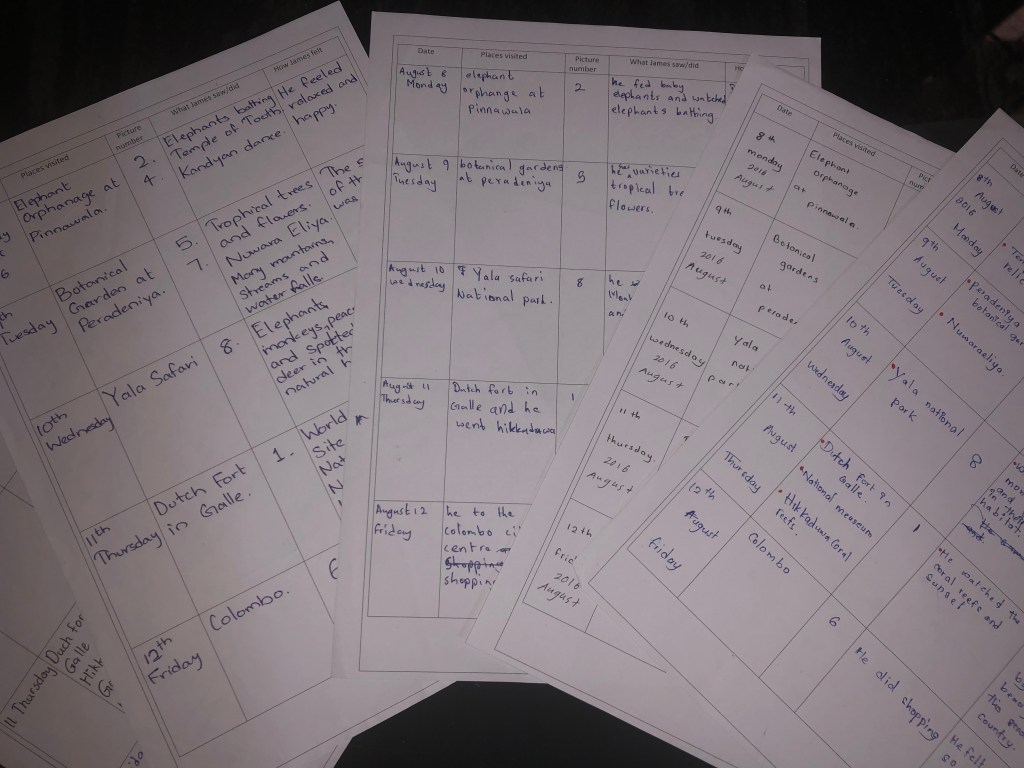
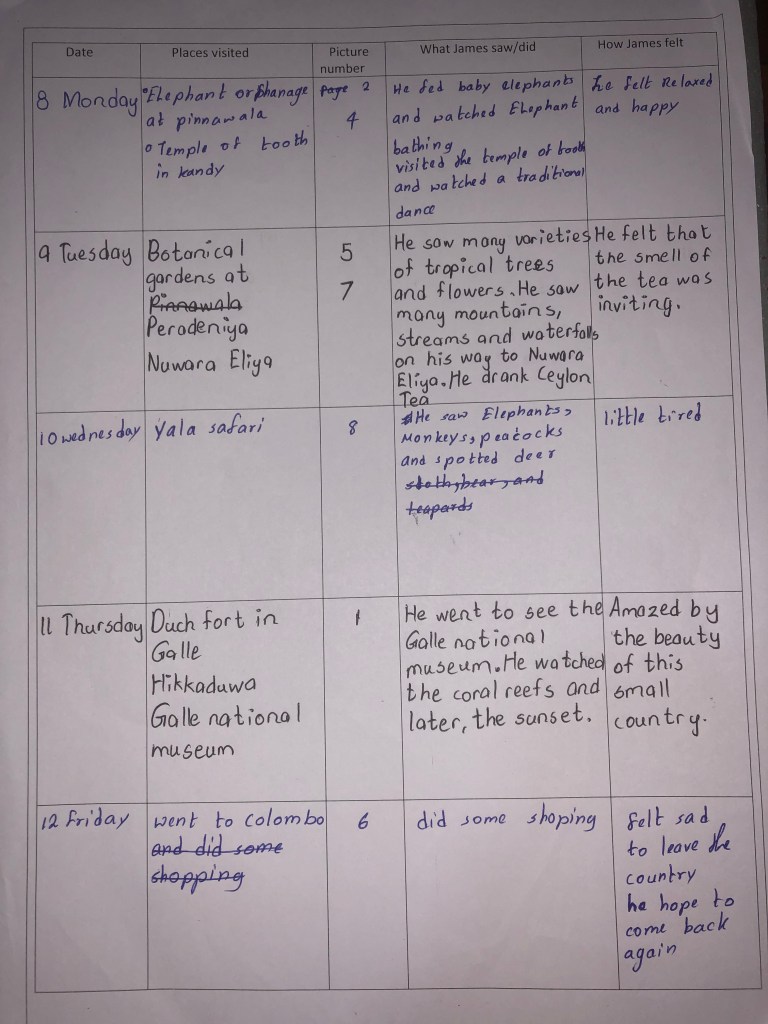
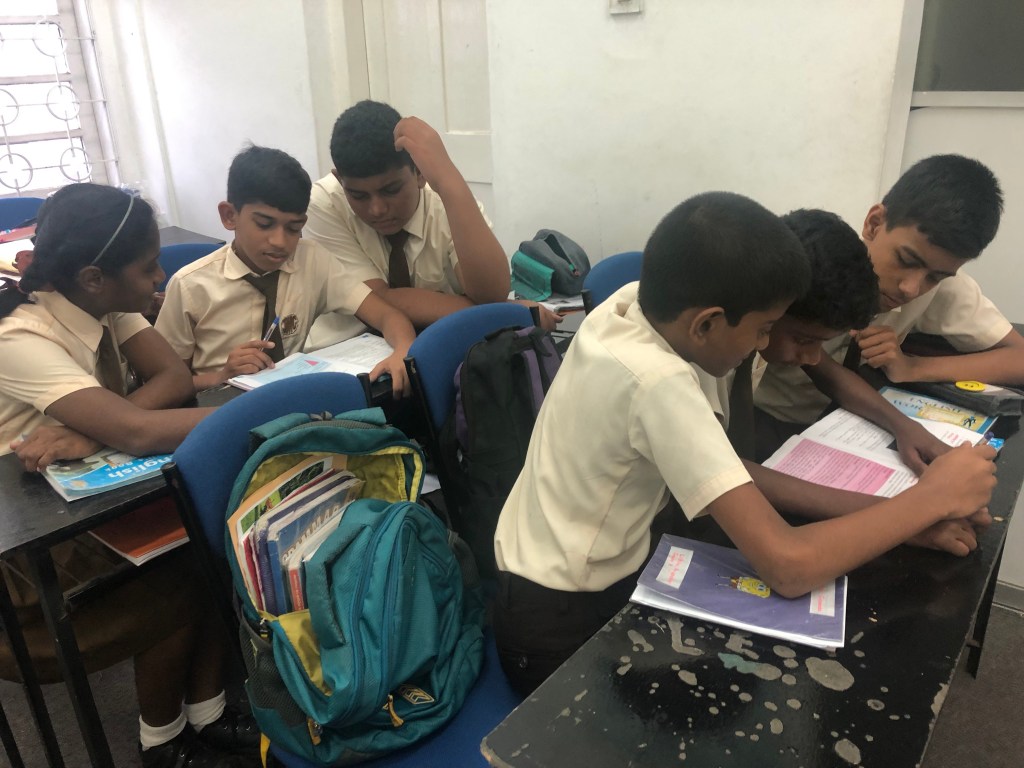
Photos of the teaching sessions and student activities
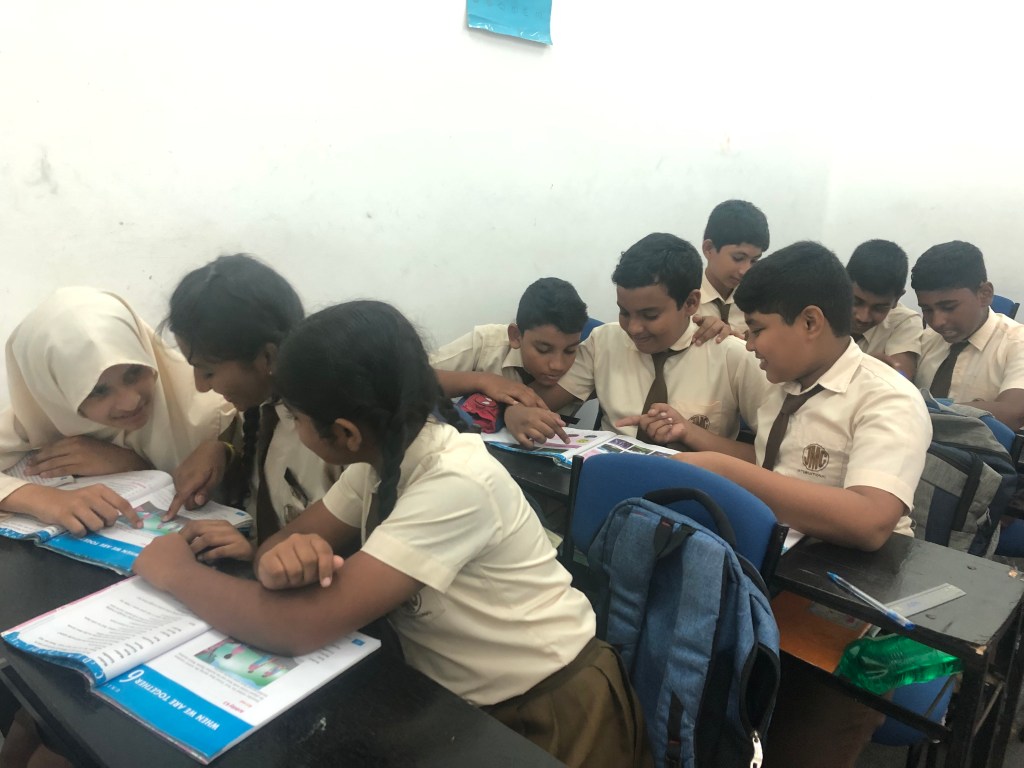
Students’ feedback

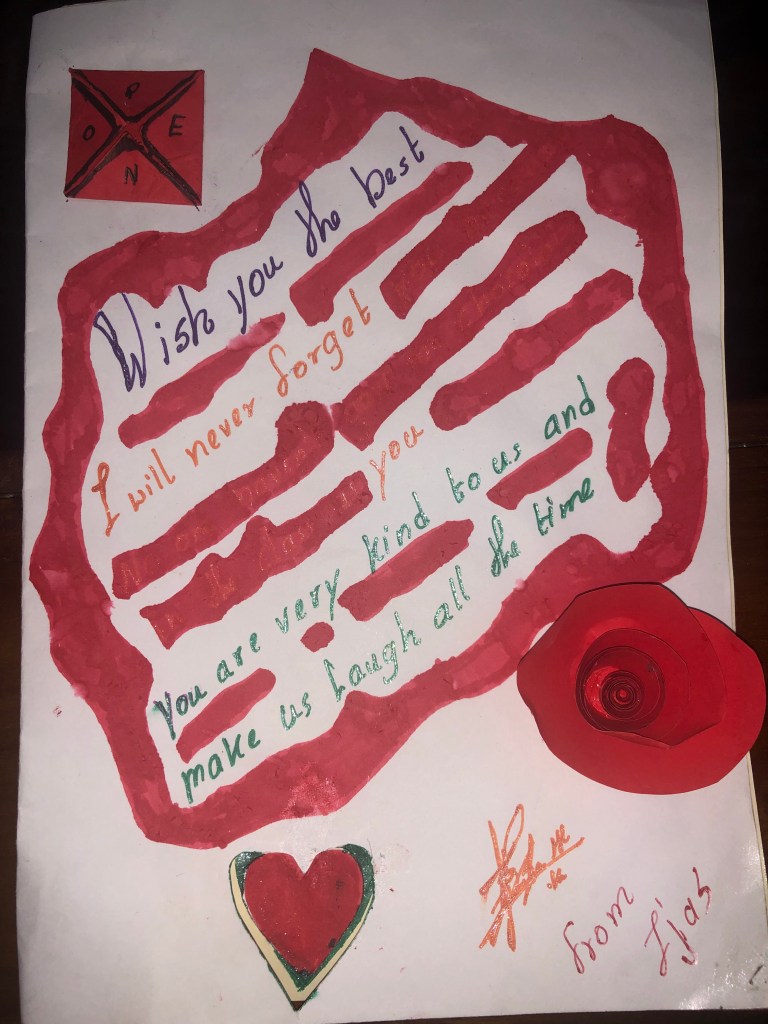
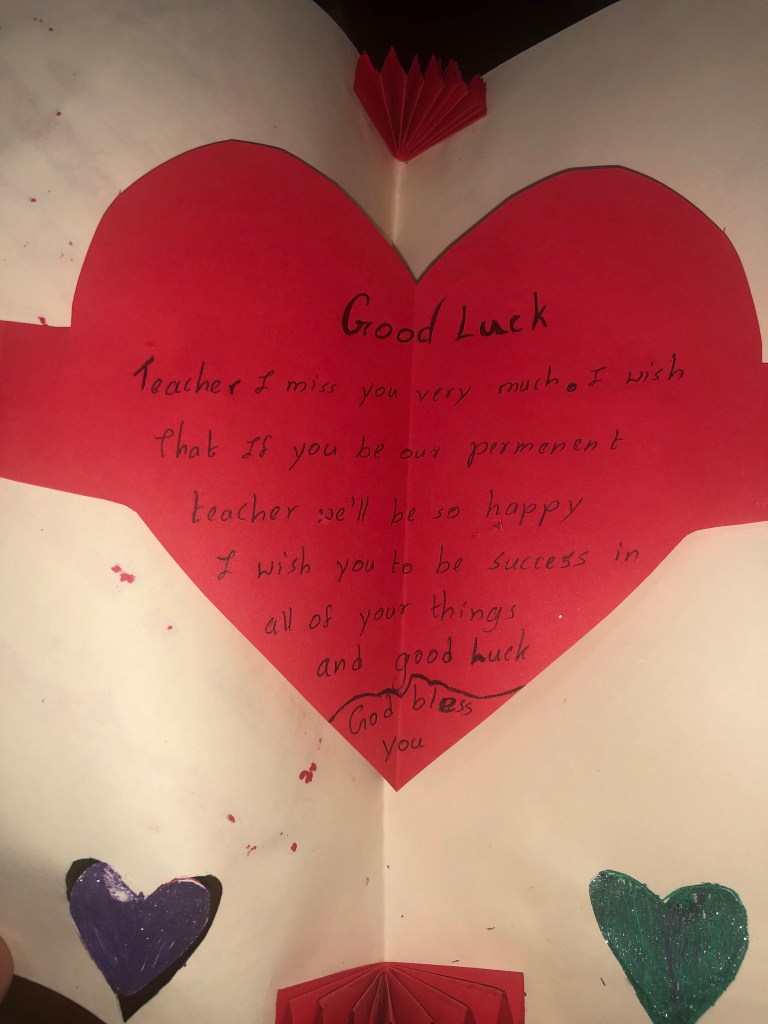
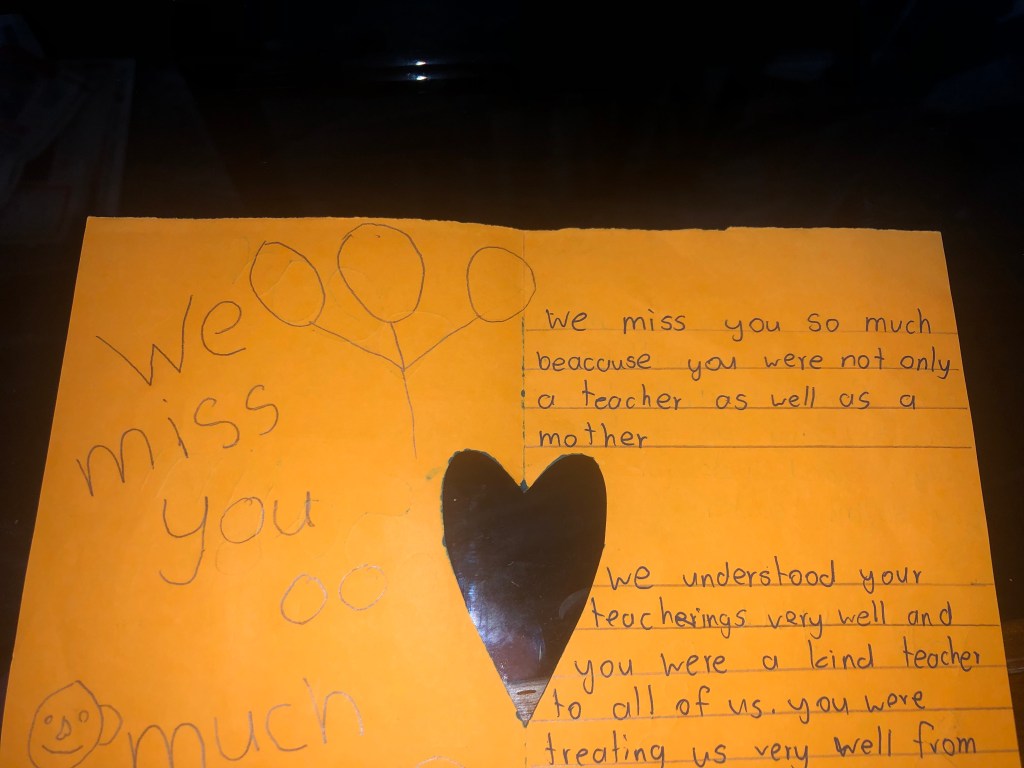
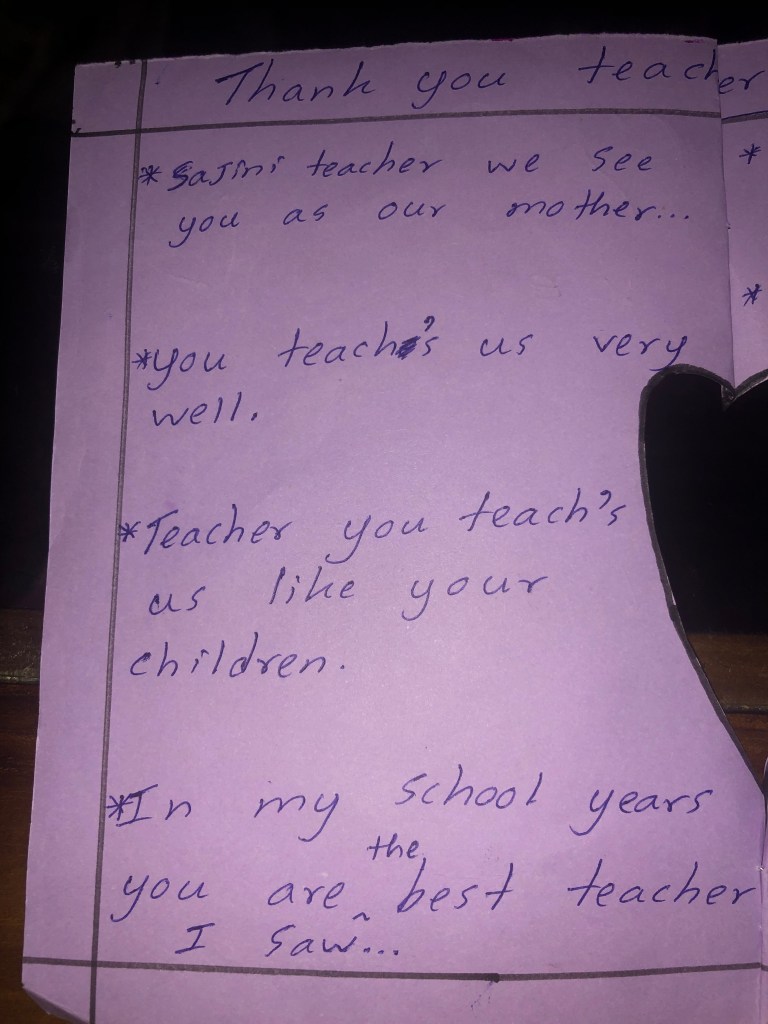
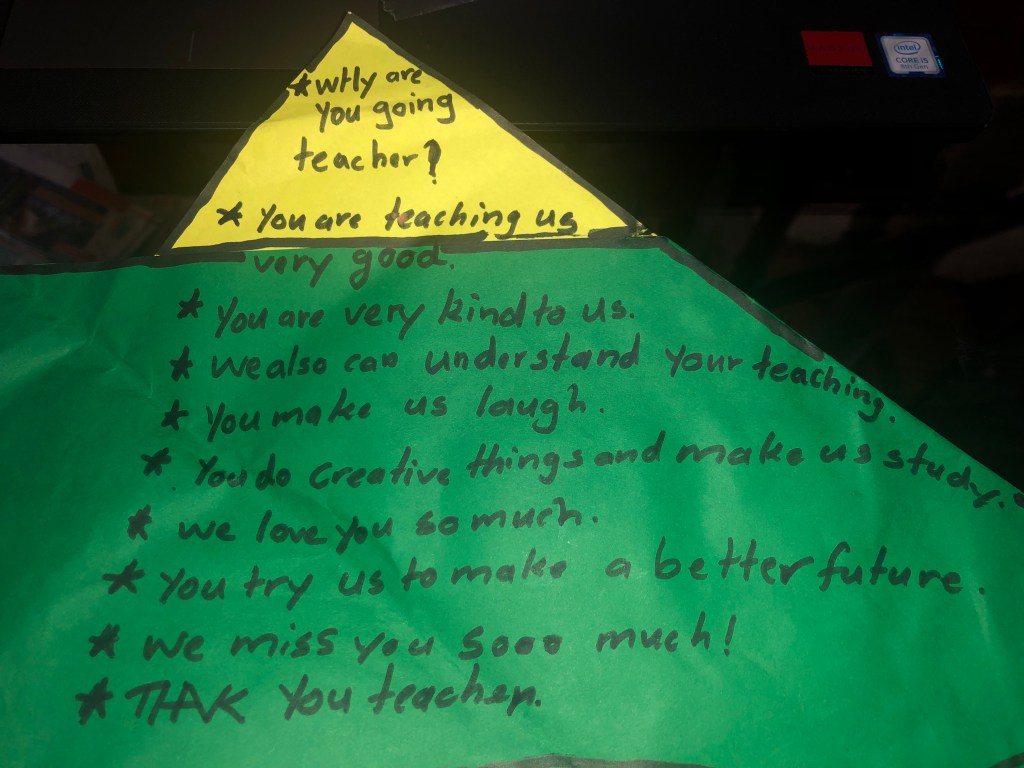
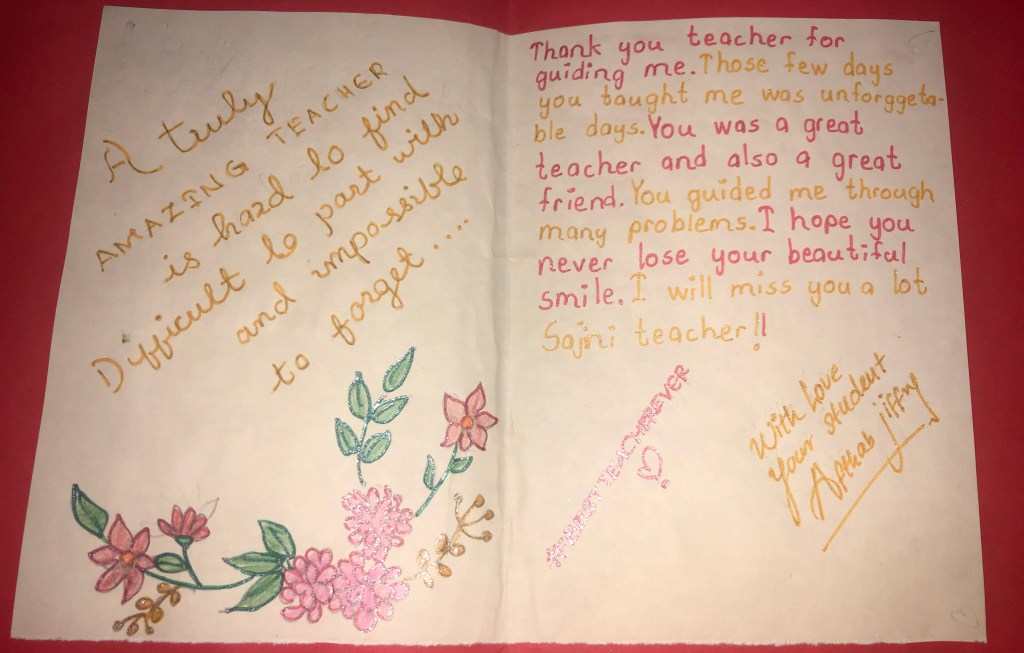


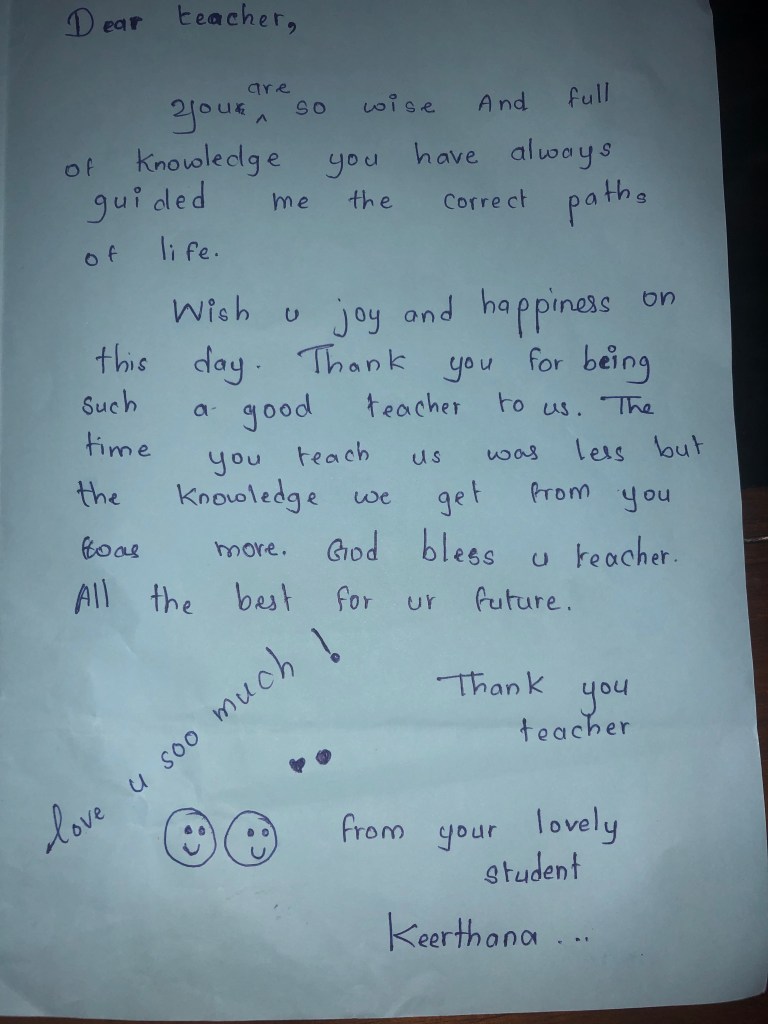
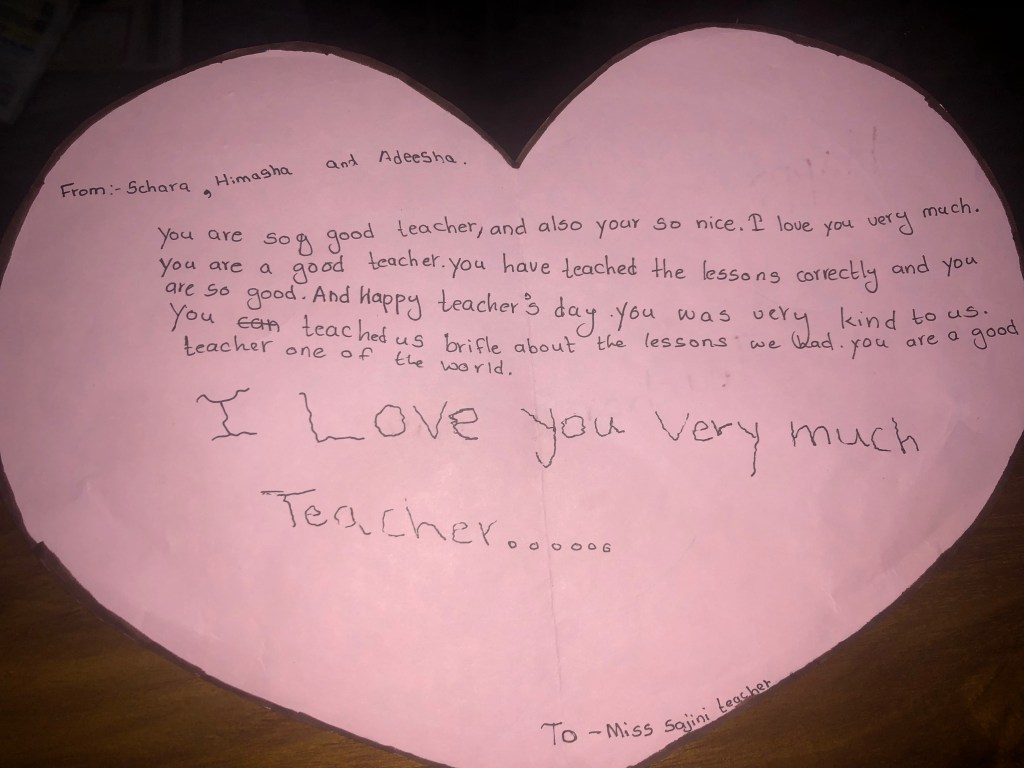
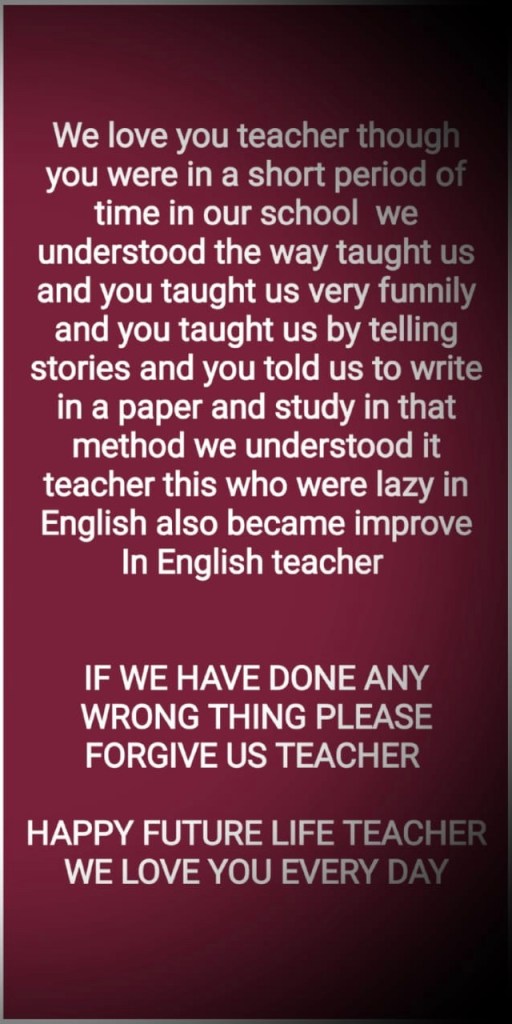
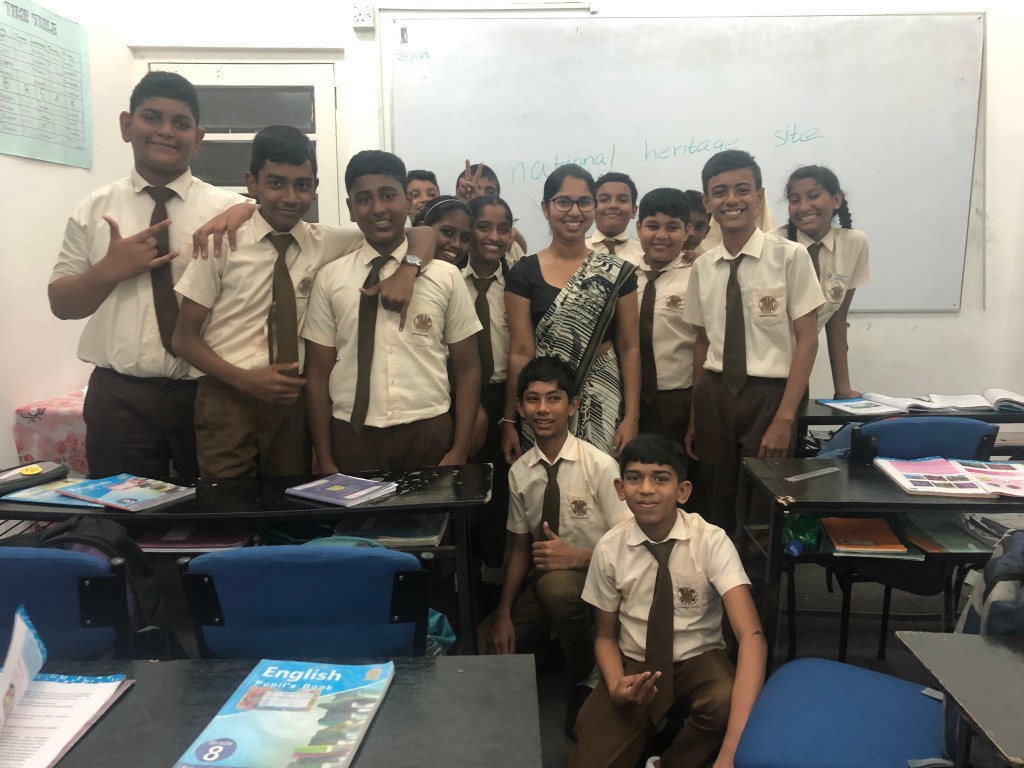
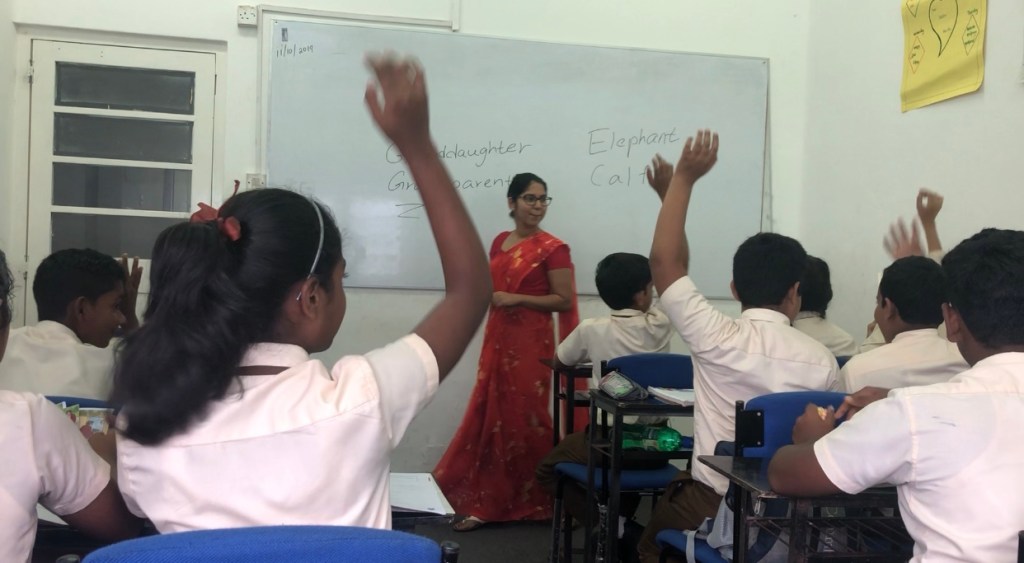
I feel blessed to have received such amazing feedback from the students and I am eagerly waiting to serve to the best of my ability as a teacher.
 Teaching Practicum Portfolio